© 2026 JULY Company. All rights reserved. JULY® and the JULY logo are registered trademarks.
Ontario
Canada's largest city, a global downtown on the shore of Lake Ontario.
The Area
Home to more people than any other Canadian city, Toronto pairs a dense, subway connected downtown with Lake Ontario's waterfront and a patchwork of distinct neighbourhoods spread across its old city and inner suburbs.
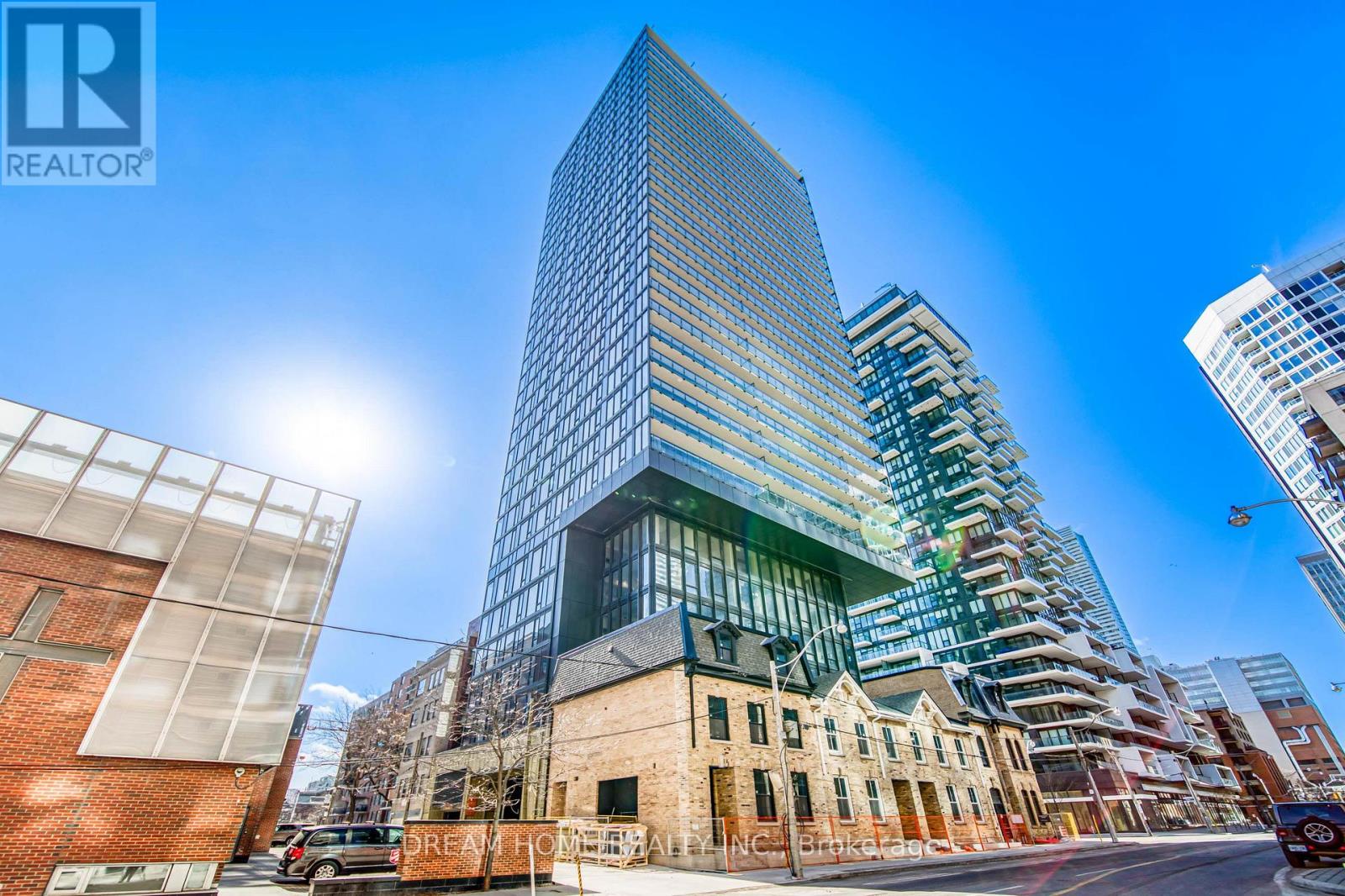
The Financial District's bank towers rise above the PATH, an underground network of shops and walkways linking Union Station to the core, while the CN Tower and the waterfront define the skyline from the lake. Just north, Yorkville's boutiques and The Annex's Victorian streets, both close to the University of Toronto, remain some of the city's most established addresses.
West of downtown, Liberty Village has turned former factories into loft style condos near Exhibition Place, and east along Queen Street, Leslieville's converted storefronts and patios draw a younger crowd. Further out, North York Centre's Yonge Street towers form a second downtown in the city's midtown north, the Scarborough Bluffs give the east end dramatic lakeside cliffs and parkland, and Etobicoke's Lakeshore strip offers waterfront living in the far west end.
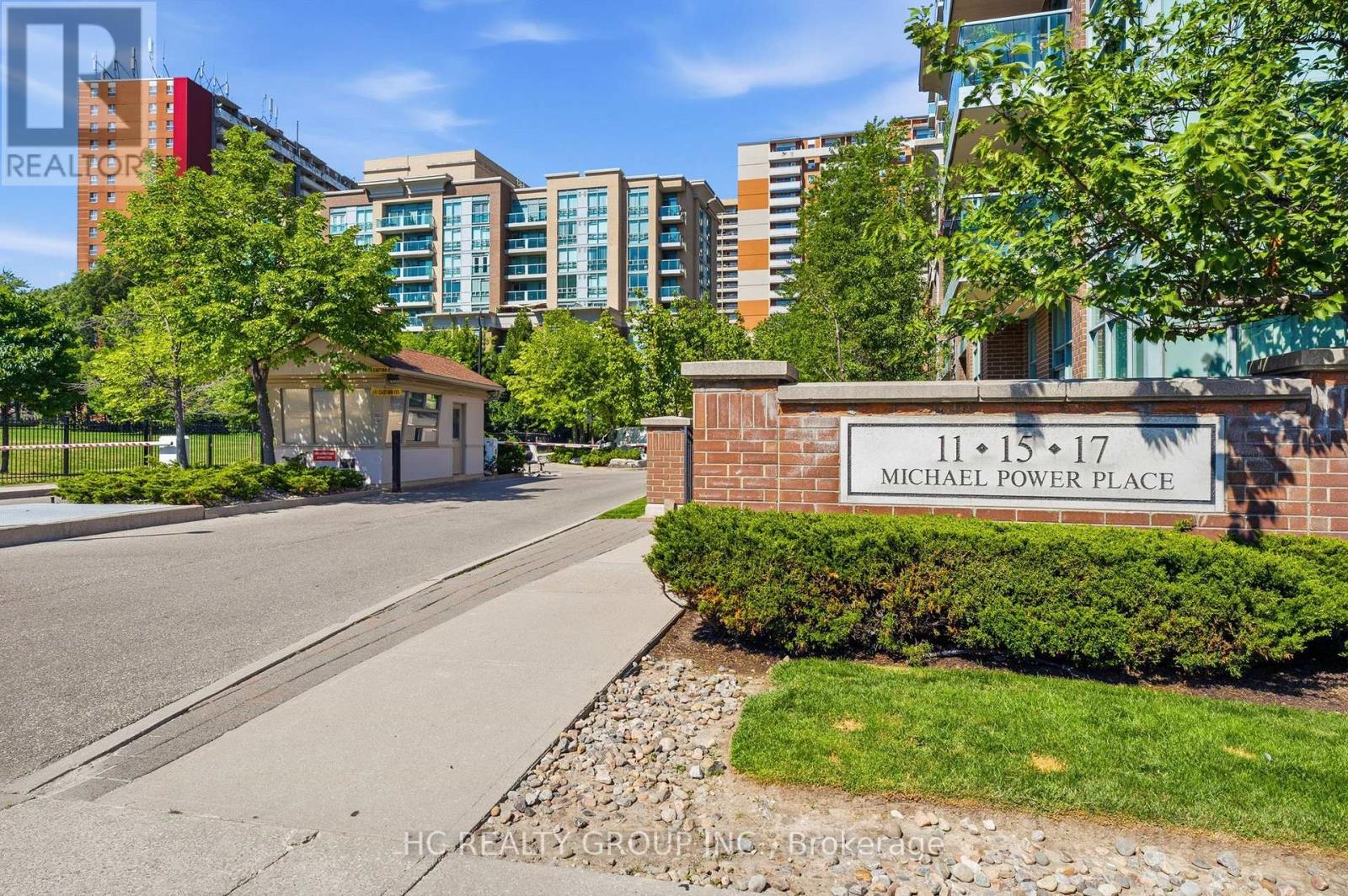
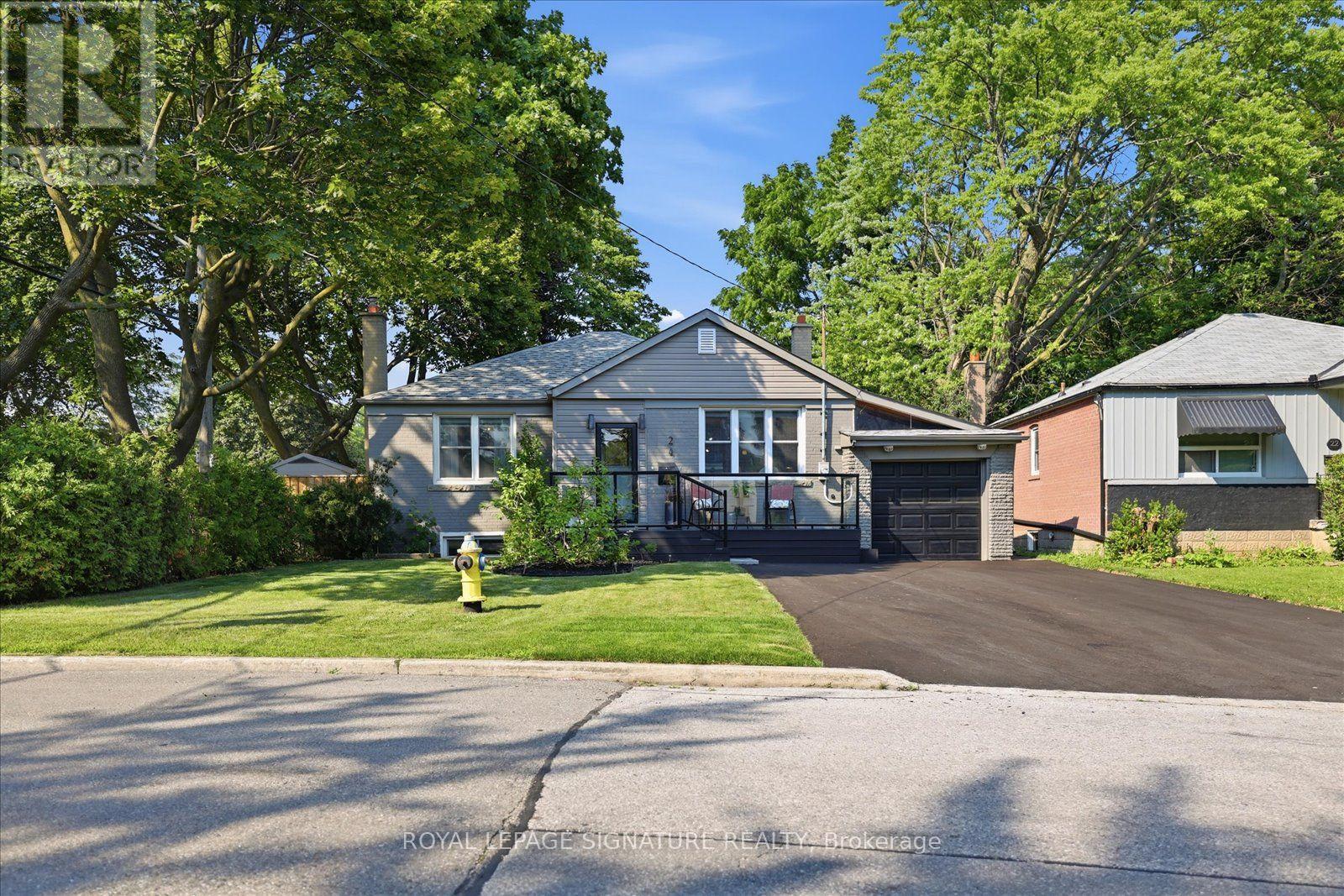
Toronto's subway network, the GO Transit regional rail system and one of the country's largest job markets keep demand high across every price point, from condo towers downtown to detached homes in the inner suburbs. For buyers, the right neighbourhood depends heavily on commute and lifestyle, and local knowledge of each pocket's transit access and zoning makes a real difference.
Source: Statistics Canada, 2021 Census. See the full Toronto census profile.
Explore
Thinking about Toronto?